
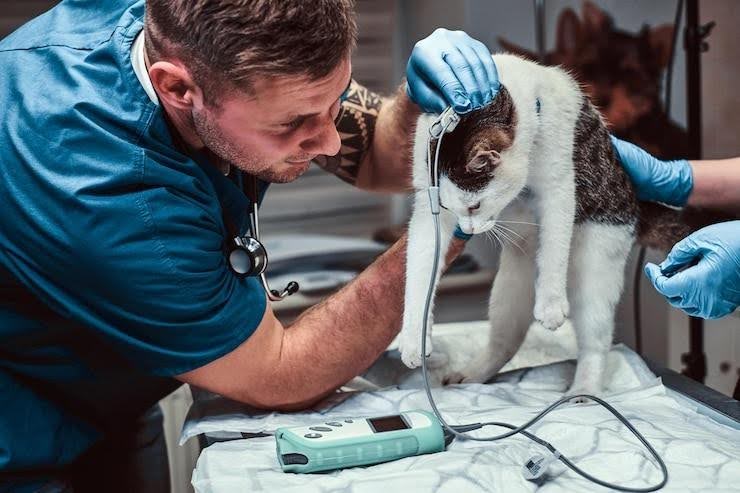
Our family is incomplete without our beloved pets. It is important to care for your loved ones when they are injured or ill. However, maintaining their health requires more than just affection because you need a comprehensive pet wellness checklist to follow. You should take them for pet vaccinations and veterinary checkups, surgical procedures when needed, support their mental health, maintain proper grooming, and keep up with routine care. Here are some of the best veterinary treatments for your furry friends.
Pet Surgery
Sometimes, your pet gets injured, becomes sick, or develops a disease that requires surgery. Pet surgery plays an important role in improving the long-term health and comfort of animals. A professional veterinary surgeon provides different surgical treatments, including spaying, neutering, soft tissue surgery, orthopedic surgery, and ophthalmic surgery, while carefully monitoring your pet before, during, and after anesthesia. Whether your furry friend needs a routine medical procedure or a more complex operation, professional pet surgery services can help your companion live a healthier life.
Pet Endoscopy
Just like humans, pets can also develop digestive and respiratory tract diseases. Pet endoscopy is an advanced procedure that helps examine these health conditions without major surgery. During this procedure, a small camera is inserted into the affected tract to examine the internal structures. The veterinarian receives real-time images to identify foreign objects, inflammation, tissue abnormalities, and other medical conditions. Whether your pet suffers from persistent digestive symptoms, respiratory problems, or other health concerns, professional pet endoscopy helps veterinarians make the right treatment decisions.
Veterinary Ultrasound
Ultrasound is a widely used diagnostic imaging tool. It uses high-frequency sound waves to examine the internal organs and structures of a pet’s body. These sound waves produce detailed images that help veterinarians evaluate the condition of different organs and provide an accurate diagnosis. In echocardiography, a veterinary cardiologist examines the strength of the heart muscles and evaluates blood flow through the heart. Professional ultrasound services help diagnose conditions, especially those affecting the abdomen and heart, so veterinarians can recommend the most appropriate treatment.
Veterinary Dental Imaging
Dental radiographs, also known as dental X-rays, are important diagnostic tools in veterinary dentistry. During the procedure, a small digital sensor is placed inside the pet’s mouth, and the X-ray machine captures detailed images. These X-rays provide a clear view of the internal structures of the mouth, including the teeth, gums, and jawbone. A veterinarian can detect dental problems such as tooth decay, periodontal disease, cysts, tumors, damaged tooth roots, and fractures. Dental radiographs help diagnose hidden oral conditions and allow veterinarians to plan the most effective treatment to maintain your pet’s oral health.
Cardiovascular Monitoring
Veterinarians use both invasive and non-invasive blood pressure monitoring tools to evaluate cardiovascular health and monitor pets during critical care. Invasive blood pressure monitoring directly measures arterial blood pressure during surgery or intensive care situations. Non-invasive blood pressure monitoring is commonly used during routine veterinary examinations. An Oscillo metric device is placed around the tail or leg of a cat or dog to measure blood pressure by detecting changes in the artery.