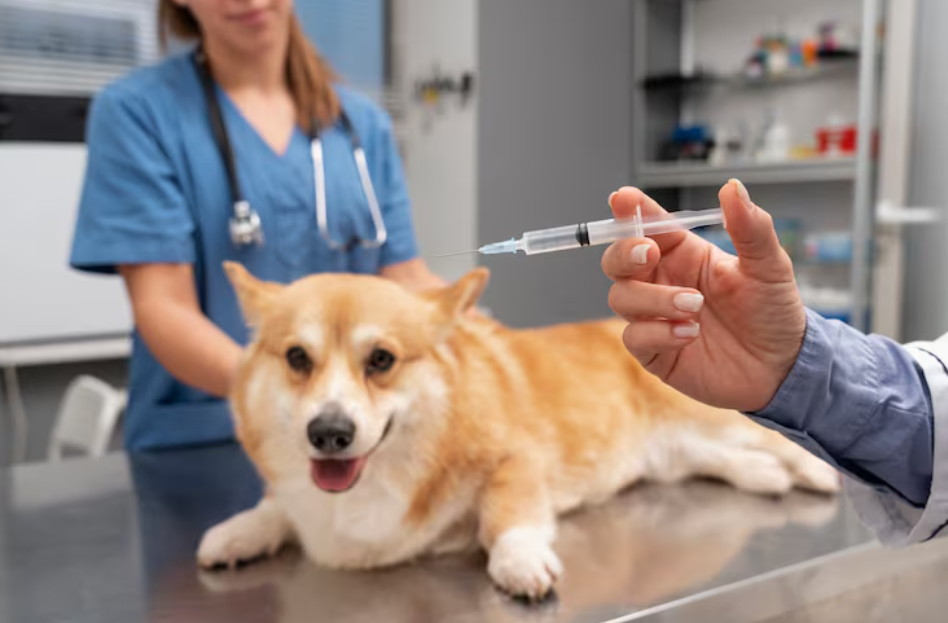
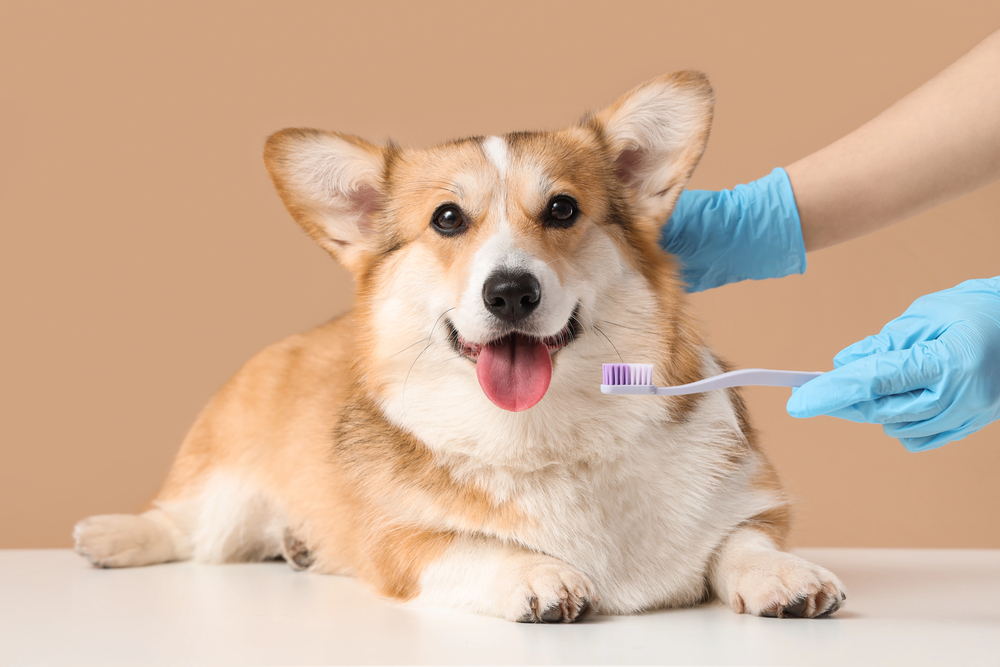
At first glance, the dog’s teeth might appear to be clean. But underneath the accumulations of tartar and bacteria can form. Pet parents often don’t realise the need for regular dental cleaning in dogs and feel that it’s not a big deal if their dog has a bit of bad breath and some tartar. However, putting off the need for professional dental cleaning can cause painful issues as well as costly treatments and even life-threatening problems. Seeking out veterinary care when the need arises will keep your dog’s mouth healthy and clean.
The Pain and the Plaque: How do Delays affect Dogs’ Teeth?
If you want to skip cleaning your dog’s teeth, the plaque will turn to tartar. The tartar will build up around the gumline, causing pain for your pet. Over time, your dog will develop gingivitis that will then progress into periodontal disease if not treated. It can take a short period from healthy gums to inflamed and painful gums. Your dog will not have to deal with unnecessary pain and suffering if you clean his teeth early.
Bad breath is more than Just Anger
Many owners don’t take bad breath in dogs seriously, but usually, bad breath is a sign of something. It is usually a sign of bacterial buildup, either from an infection or gum disease. It’s an odor that may worsen as the disease progresses. Rather than masking the issue with mouthwash or treats, addressing the cause with pet dentistry can help you eliminate the smell and improve oral health.
Gum Diseases: Don’t forget to look out for it
Gum disease can be one of the worst things that can happen if you don’t clean your teeth regularly. Not only does it impact the mouth, but your dog’s health. Gums can swell and bleed, teeth can get loose, and infections can invade. If they don’t receive the proper treatment, dogs could lose several teeth. The progression from an irritation of the gums to an infection of the periodontal system can be painful, but it can also be debilitating for the dog.
Teeth problems can affect the whole body
Oral health problems can have a bigger impact. Bacteria and infected gums can enter the bloodstream of your dog and travel to other parts of the body. Over time, this could lead to the risk of kidney, heart, and liver issues. What may start out as a decision to delay a cleaning can lead to bigger problems that need expensive treatment. If you prioritize dental care for your pet in Charlotte, it is possible to safeguard your dog’s overall health.
The cost of waiting too long
It’s tempting to delay visits for financial reasons, but waiting can be more expensive. Dental cleaning is less costly than extractions, dental surgery, and hospitalization for infection. Instead,” and “instead” or “however” are used to bring attention to the choice you need to make on whether to do something to prevent tooth problems now or pay for expensive dental issues down the track.
Simple Steps to Avoid Delays
The maintenance of your dog’s teeth does not have to be difficult. Implementing a routine for brushing and offering chews for teeth and scheduling annual dental check-ups can help to avoid serious issues. The most important thing is to follow the advice of your vet for professional dental cleaning. If you engage trusted pet dentists, you will have a comfortable dog smile for years to come.
The Final Word on the Need for Timely Dental Care
Not cleaning your dog’s dentals may seem harmless at first, but could result in uncomfortable dental problems and even health dangers. By taking action earlier, you can not only save money but also safeguard your pet from pain and illness. So, by trusting a professional to clean your pet’s teeth, you can keep your pet’s smile bright, healthy, and happy for many happy years.
Want to avoid dental disease? Read our blog post on How often does my dog need to have their teeth cleaned? for free and easy tips for dog owners.
Questions About Cleaning Dog Teeth
1. How often should I get their teeth professionally cleaned?
Most dogs need to see the groomer once a year, but some breeds may need more often.
2. How do I know when the pet may need dental cleaning?
The most common symptoms include swollen gums, drooling and bad breath, difficulty eating, and swelling of the jaw.
3. Does poor dental health impact my pet’s general well-being?
Yes. Tooth infections can spread to the liver, kidney, and heart and cause severe disease.
4. Is anesthesia used for cleaning a dog’s teeth?
In the majority of cases, there is a it is. Anesthesia allows vets to clean beneath the gum line without causing discomfort and stress.
5. What will happen if I delay cleaning?
It can result in gum disease, tooth loss, and unnecessary medical treatments.
6. What can I do myself to help your dog’s teeth?
Toothbrushing, treats for your teeth, regular check-ups, and dental treats for pets’ dental hygiene help keep your dog’s teeth healthy and strong.