As we do as humans, pets get stressed and anxious. Although they aren’t able to express their emotions, they can communicate by displaying various behaviours. It’s important to recognise these symptoms to comfort your pet and to provide a safe environment. Understanding the causes and how to manage this will greatly improve your pet’s life.
Identifying the Signs of Pet Anxiety and Stress
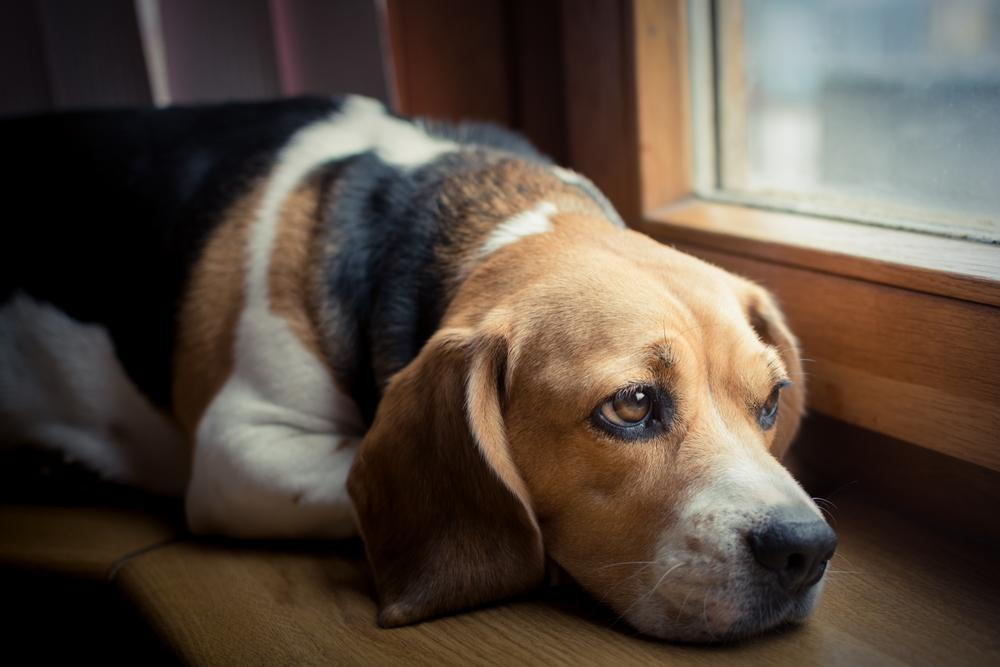
There is a range of signs that pets display when they’re stressed and anxious, and these can vary from one species to another.
Behavioral Changes:
- Excessive panting (but not in hot weather).
- Restlessness or pacing.
- Shaking or trembling.
- Removing or hiding.
- Changes in your appetite (increased or reduced).
- Destructive behavior (e.g., scratching, chewing, gnawing).
- Excessive grooming or licking.
- Changes in vocalization (e.g., excessive meowing, screaming, whining, etc.).
- House soiling.
Physical Signs:
- Pupils dilate.
- Rapid heartbeat.
- Paws sweaty.
- Shedding excessively.
Common Triggers of Anxiety and Stress
Understanding the cause may help you to prevent your pet’s anxiety.
- Loud noises: The sound of fireworks, thunderstorms, and noises from construction are all common triggers.
- Separation anxiety is very common: It can be caused by being alone.
- Changes in routine: Change in environment, change in location, change in daytime routine.
- Social anxiety: Certain pets are afraid of unfamiliar animals or humans.
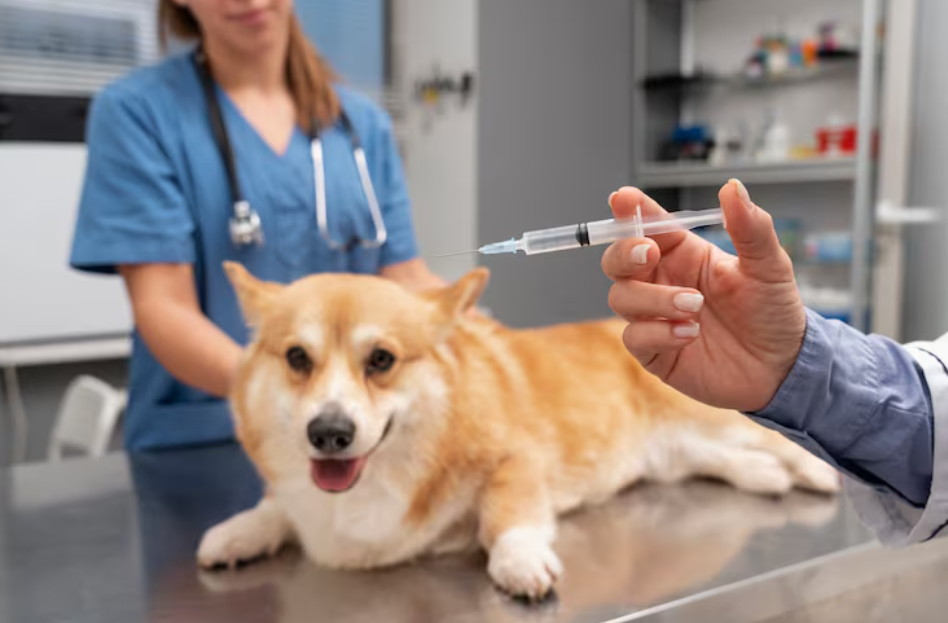
- Veterinarian visits: The sights, as well as the sounds and smells, are often overwhelming.
- The Past Trauma: Previously negative experiences can result in anxiety that lasts for a long time.
Providing Comfort and Relief
Here are some tips for relieving your dog’s anxiety and stress:
- Provide a place: Ensure you have a quiet environment that your dog can retreat to when they are feeling anxious. This space might be a cage, a bed, or a separate room.
- Keep to a schedule: Anxiety may be reduced by routine. Make sure you have a consistent feeding routine as well as playtime and walking schedules.
- Desensitization and Counterconditioning: Involve gradually exposing your pet to a trigger in a safe setting and then following the exposure with a reward (e.g., treats and praise).
- Give them a Cuddle Pet: They can be soothed by a massage, a cuddle, and a pat.
- Use Calming Products: These include calming treats, pheromone sprays, and vests.
- Consult Your Veterinarian: If your pet has severe or chronic anxiety, talk to your vet. They will recommend medications or refer you to an accredited animal behaviorist.
- Play and exercise: Physical activity relieves stress and tension.
- Use positive reinforcement techniques to reward calmness: Don’t use punishments as they may make anxiety worse.
Conclusion
Keep in mind that your pet’s emotional well-being is also of importance. By understanding the signs of anxiety and providing constant support and care to your pet, you can make a safe and comfortable home for your pet. Every pet’s sense of security can be improved by every petting stroke, every word of encouragement, and every moment of patience. A commitment to their needs in emotional terms can strengthen your bonds and help them have happier, more peaceful lives. Your compassion and empathy can make all the difference.