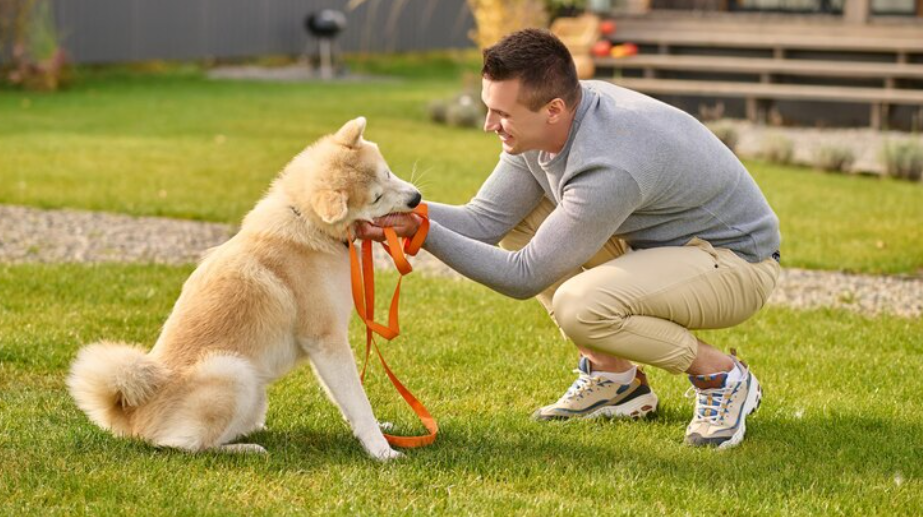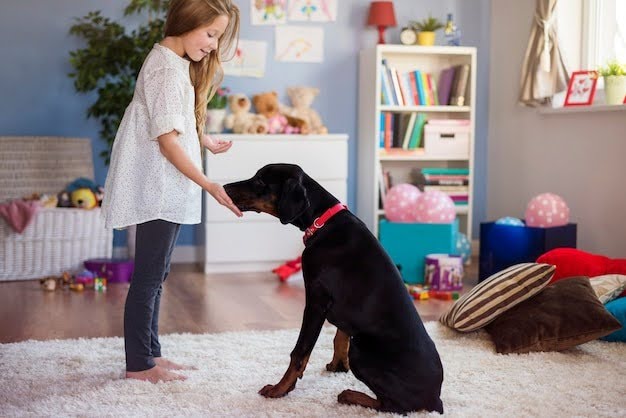

Training is an essential part of raising a healthy, confident, and well-behaved dog. It helps create communication between dogs and owners while establishing boundaries that support daily life. Dogs learn through repetition, consistency, and positive experiences, and effective training can improve behavior both inside and outside the home.
Whether working with a young puppy or an older dog, training helps strengthen trust and encourages positive interactions. Establishing the right methods early can make learning easier and create a stronger relationship over time.
Create a Consistent Routine
Consistency is one of the most important elements of dog training. Dogs learn more effectively when they understand what is expected from them each day.
Feeding schedules, walking times, and training sessions should remain as regular as possible. Repeating commands and rewarding correct behavior consistently helps dogs connect actions with outcomes. Mixed signals or changing rules can create confusion and slow progress.
Use Positive Reinforcement
Positive reinforcement encourages dogs to repeat desirable behaviors by rewarding them for success. Rewards can include treats, praise, affection, or playtime. When dogs associate good behavior with positive experiences, they become more willing to learn and participate.
Immediate rewards are especially helpful because dogs connect the action and the reward more easily. Harsh methods can create stress and may affect trust, while positive encouragement supports learning in a more effective way.
Begin with Basic Commands
Starting with simple commands creates a foundation for future learning. Commands such as sit, stay, come, and leave it help dogs understand direction and control. These early lessons also improve safety and daily communication. Short training sessions are often more effective than long sessions because dogs may lose focus when training becomes too repetitive.
Focus on Dog Training for Daily Behavior
Dog training extends beyond teaching tricks or commands. Training also helps dogs understand how to behave during everyday situations. Walking politely on a leash, remaining calm around visitors, and responding appropriately in public settings are valuable skills.
Regular training creates structure and helps reduce behaviors such as jumping, excessive barking, or pulling during walks. Daily practice strengthens learning and improves behavior over time.
Training a Puppy Early
Training a puppy at an early age provides important long-term benefits. Puppies absorb new experiences quickly, making early learning opportunities valuable. Teaching simple commands, encouraging social interaction, and introducing household routines help create a strong behavioral foundation.
Training a puppy also involves patience because young dogs are still learning how to understand expectations and adjust to new environments. Gentle guidance and repetition help build confidence while encouraging good habits that continue into adulthood.
Practice Socialization
Socialization helps dogs become comfortable around different people, environments, sounds, and situations. Controlled exposure to new experiences can reduce fear and improve confidence. Dogs that experience positive social interactions are often more relaxed and adaptable in changing environments. Social experiences should be introduced gradually to avoid overwhelming the dog.
Patience plays an important role in successful training because every dog learns at a different pace. Building skills through regular practice, encouragement, and positive experiences creates stronger communication and helps dogs become well-adjusted companions in everyday life.