
Bringing a new companion into your home is an incredibly rewarding experience that marks the beginning of a lifelong bond. However, the first few months of life are critical for the physical and behavioral development of your pets.
Proper care during this period requires patience, consistency, and a deep understanding of their unique biological and emotional needs.
By establishing a structured routine and prioritizing health and socialization, you can ensure that your young dogs grow into confident and well-adjusted adults who are a joy to be around.
Establishing a Nutritious and Consistent Feeding Schedule
Nutrition is the foundation of growth, especially for young animals that are developing rapidly. It is vital to select a high-quality formula specifically designed for their age and expected adult size.
Small breeds and large breeds have different skeletal requirements, so the mineral balance in their food must be precise. Instead of leaving food out all day, establish a consistent schedule of three to four small meals.
This not only helps with digestion but also makes house training much easier to manage because their biological clock becomes more predictable.
Prioritizing Preventative Health Care and Vaccinations
During the early stages of life, the immune systems of your pets are still maturing. Scheduling regular visits with a veterinarian is essential to stay on top of the necessary vaccination series and parasite prevention.
These medical appointments are also the perfect time to discuss dental care and the appropriate age for spaying or neutering.
Keeping a detailed health record will help you monitor their growth milestones and ensure they are protected against common canine illnesses that can be particularly dangerous for younger animals.
The Vital Importance of Early Socialization for Puppies
A well-socialized dog is a happy dog, and the most critical window for this development occurs in the first few months. Exposing puppies to a variety of sounds, smells, people, and other vaccinated animals is crucial for preventing future anxiety and aggression.
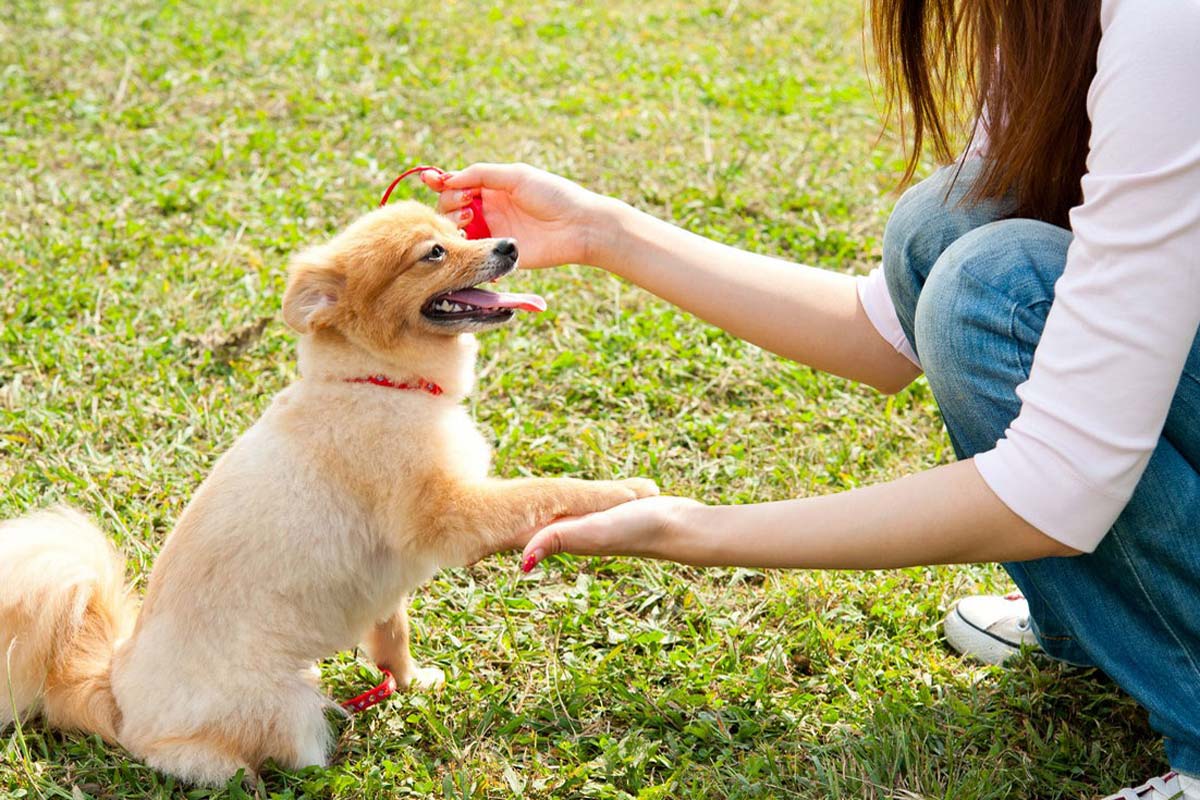
Training should always focus on positive reinforcement, using treats and praise to encourage good behavior.
Teaching basic commands provides mental stimulation and strengthens the communication between you and your pet. Keeping training sessions brief ensures that these young animals stay engaged and eager to learn.
Ensuring Safety and Comfort with Reliable House Sitters
There will inevitably be times when your professional or personal life requires you to be away from home for several hours. Because young dogs cannot hold their bladders for long periods and may become destructive if bored, hiring experienced house sitters can be a lifesaver.
These caregivers provide companionship and ensure that your pet stays on their established bathroom and feeding schedule while you are absent.
Having professional house sitters visit throughout the day prevents separation anxiety and ensures that your home remains a safe and supervised environment.
Creating a Stimulating and Secure Living Space
Preparing your living space is a non-negotiable step in responsible pet ownership. This involves removing toxic plants, securing loose electrical cords, and keeping small objects that could be swallowed out of reach.
In addition to safety, provide a variety of chew toys to help soothe the discomfort of teething and prevent them from chewing on furniture.
A designated quiet area, such as a comfortable crate or a soft bed in a corner, gives your pet a sense of security and a place to rest undisturbed.