The importance of consistent training and care isn’t just a nice thing to have, they’re the basis for the healthy, happy bond between your pet and you. If you’re raising a curious pup or helping your old dog to overcome a habit that they’ve learned, the use of scientifically proven strategies makes progress more predictable and less stressful for you both. This guide brings together the most effective, research-based methods and tools that are used every day (including the ways that platforms like PawChamp can aid) to help you establish an orderly routine, deal with unruly behavior humanely, and reward yourself for your successes as you go.
Common Dog Care Challenges and Training
Many dog owners experience the same issue: disobedience to distractions, pulling the leash, es or jumping out of the blue, as well as unpredictable routines that confuse the dog. Puppy dogs add another layer of confusion, with frequent accidents, mouthing, and small attention spans, which make training seem slow.
If care or training is not consistent, these little issues tend to become bigger ones. Bad leash behavior makes walks uncomfortable, missing socialization time windows can trigger reactivity, and unclear requirements can exacerbate separation anxiety. Doing this early by implementing regular management and short, specific lessons can prevent bigger behavioral issues later on. (Keyword:s Dog manageme,nt pet care, puppy managem, ent dog routine)
Research-based Methods to Ensure Effective Dog Training
Humane, evidence-based strategies provide the most rapid and solid results. Two key principles that stand out are positive reinforcement (rewarding the things you want to observe) and consistent short-term learning. The course and curriculum of PawChamp adhere to these tenets and were designed in collaboration with trained instructors and behavioralists in order to guarantee safety and consistency.
Classes and routines that are structured aid dogs in learning expectations quicker They’re also essential to good care that includes feeding routines, exercising, bathing, and rest. For a comprehensive look at organized routines and how to care for them, look up the dog’s management and care.
The most important, practical components to incorporate into any program: Every day routines that are structured. The ability to predict meal times, walks, ks and training time reduces stress levels helpshelp og’s the dog’s behavior. (Keywords: dog routine, dog management)
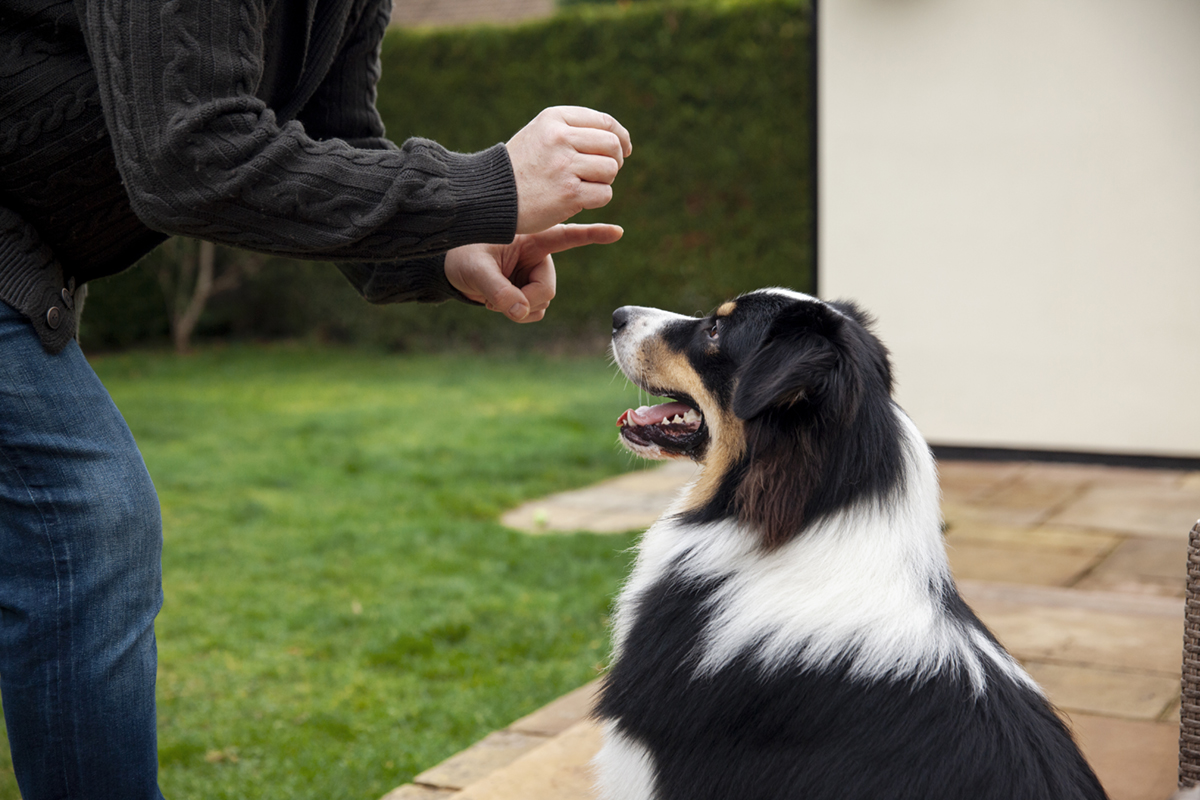
- Reward-based training: Make use of high-value toys, treats, or praise as soon as your dog exhibits the desired behaviour to reinforce the habit of repetition. (Keywords: positive reinforcement, obedience training)
- Short, frequent lessons: A series of 3-5-minute sessions every day is better than one long lesson, and dogs learn more quickly when lessons are concluded with a positive note. (Keywords: dog training techniques)
- Monitoring the progress of behavior and performance: Keep track of wins, setbacks, as well as the context (time of day and distractions), so that you can modify the training goals and reinforce. (Keywords: dog progress tracking, dog behavior correction)
These components create an easy-to-learn loop that is low-stress and includes a cue, a prompt (if necessary) to respond correctly, a reward, and a brief reset.
Tools for Classes, Apps, and Tools to help you learn more effectively
Modern owners often incorporate in-person training with digital support. Live classes give instant feedback and socialization. Video and app-based courses help to manage daily exercise. Many dog owners utilize interactive training apps to monitor the progress of their dogs and reinforce commands at home.
What should you look out for in classes and tools:
- The tracking of progress and the personalized plan: Platforms that can tailor lessons around a short assessment (like PawChamp’s personal dashboard) can help you focus on the specific needs of your dog rather than a generic curriculum. PawChamp has specific course icons, goal-oriented suggestions, and a completion tracker to ensure that owners see consistent improvements.
- Support on demand from a professional: “Ask the Dog Experts” features or tele-training alternatives allow you to clarify your technique quickly, without having to wait until the class is over. (Keywords: dog expert tips, interactive dog apps)
- Other apps that complement the app should be considered: Puppr, Dogo, GoodPup, and Pupford are popular and are based on step-by-step instructions as well as clicker-style workouts. You can also get live trainer access, based on the application. These apps can be excellent companions to classes, in-person or on an online platform such as PawChamp.
When you choose, make sure to ensure that the tool you choose is suitable for your style of learning: if you are a fan of structured learning and progress indicators, choose an application that has tracks and dashboards; for those who require individual coaching for serious behavior problems that are serious and live trainer access, you should consider a priority.
Incorporation in Daily Life: Practical Tips for Owners
Training should be integrated into daily life so that it is possible to apply the same behavior across various environments. Simple, consistent behaviors can make a big difference:
- Make sure you have consistent feeding and playing schedules to ensure that your dog is aware of what is expected when events occur. This can reduce anxiety-driven behaviors. (Keywords: dog owners, dog habits)
- Utilize short training sessions daily (3-5 minutes) sprinkled throughout the day instead of lengthy, tiring sessions. (Keywords: consistent training)
- Utilize apps to track progress, mark lessons completed as completed, track setbacks, and mark milestones to keep the momentum. (Keywords: dog progress tracking, dog app review)
- Reinforce positive behavior immediately. The timing is crucial: a reward in a matter of seconds connects the behavior with the rewards in the dog’s brain. (Keywords: dog bonding, dog obedience)
Small, repetitive practices, such as a short greeting sequence when you get back to your home, or a minute-long recall drill before off-leash play, can help you develop lifelong habits.
Conclusion
Combining methods based on science, regular schedules, classes in person, and a thoughtful application of technology gives the greatest likelihood of a steady, easy-going improvement. Apps that focus on positive reinforcement, individualized lessons, and progression monitoring make the work feasible and repeatable. With consistent practice and proper tools, many owners notice significant improvements in their dog’s behavior quickly — and also enjoy an improved, more peaceful relationship with their pet. (Keywords: pet care, training, tracking the progress of your dog)