Understanding Pet Photography
Pet photography is crucial
Pet photography is more than just snapping random photos of your pet; it captures the unique character and emotions, as well as the special bond that you share. Every photograph becomes a treasured memory, as pets are loved family members. Photos that are professionally designed elevate these moments and turn them into art that you can display in your home, or be shared to the world. Furthermore, for those involved who offer pet-related products or services, as well as selling photographs for stock, high-end images are more noticeable, drawing more customers and potential buyers.
The Basics of Capturing Pets
The secret to successful pet photography is patience, understanding the behavior of animals, and a basic understanding of technical terms. Make sure to use natural light whenever you can, since it softens the images and gives your pet its most beautiful appearance. The speed of shutters is crucial to capture those fleeting moments, particularly when you’re dealing with a spirited kitten or puppy. Know the settings of your camera, and even smartphones come with adjustments now. Also, being at the level of your pet not only assists in taking pictures of eye-catching views but also assists in capturing the world as they see it from their perspective.
Gear and Equipment
Cameras for pet photography
The choice of camera has a huge impact on the photography of pets. Mirrorless and DSLR cameras give the greatest flexibility and image quality. They permit manual adjustment of settings, such as the shutter speed and aperture, and ISO, which are essential for taking sharp photos of moving subjects. However, smartphones of today have advanced and are also capable of producing stunning photos of pets, particularly for people who are just beginning or who are on a budget.
Lighting Aspects
Finding the right lighting is probably the most important element to capturing the perfect photo. The natural light of the day is the best; try scheduling your photography sessions outdoors or in rooms with good lighting. Be aware of the light’s direction so that you don’t create the harsh shadows that can be reflected on your pet’s face. If you are using synthetic lighting sources, softboxes and diffusers can recreate natural light, giving an even, soft light that flatters your pet’s face. Avoid direct lighting because it may frighten animals and cause red-eye.
Preparing for the Photoshoot
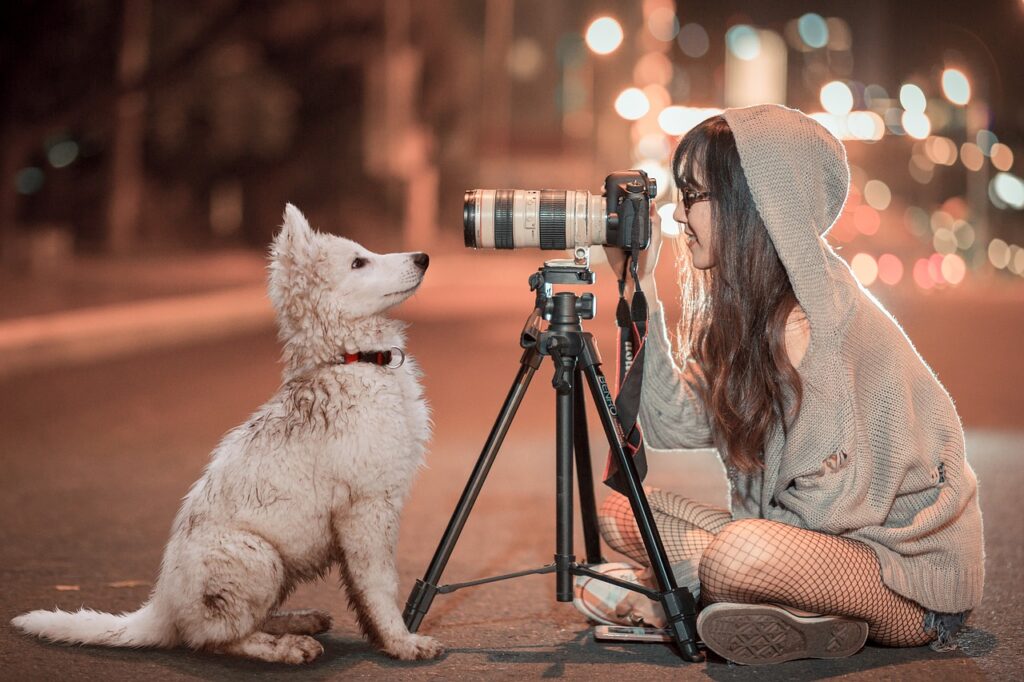
Before even thinking about taking photos, getting ready for the pet and the environment is vital. This will ensure an easier process and better quality results.
Selecting the Best Location
The location has a major impact on the results of your pet’s photo. Natural light is your most reliable source, and so choosing outdoors or indoor spaces is the best option. Make sure the background isn’t overly busy and distracting because the focus should remain only on the pet. Gardens, parks, or even a light-filled space with lots of windows could be the ideal background for your photo session.
Styling and Grooming Your Pet
A pet that is well-groomed always appears more appealing in photos. The act of brushing their fur to make it smooth and shiny, as well as cleaning their eyes, or even using cute accessories, can transform your photos from decent to amazing. Be sure any styling you choose to do is suitable for your pet and doesn’t cause discomfort. This is also an excellent opportunity to show your pet’s personality by using a favorite toy or a chic bandana.
Relaxing Your Pet The Camera
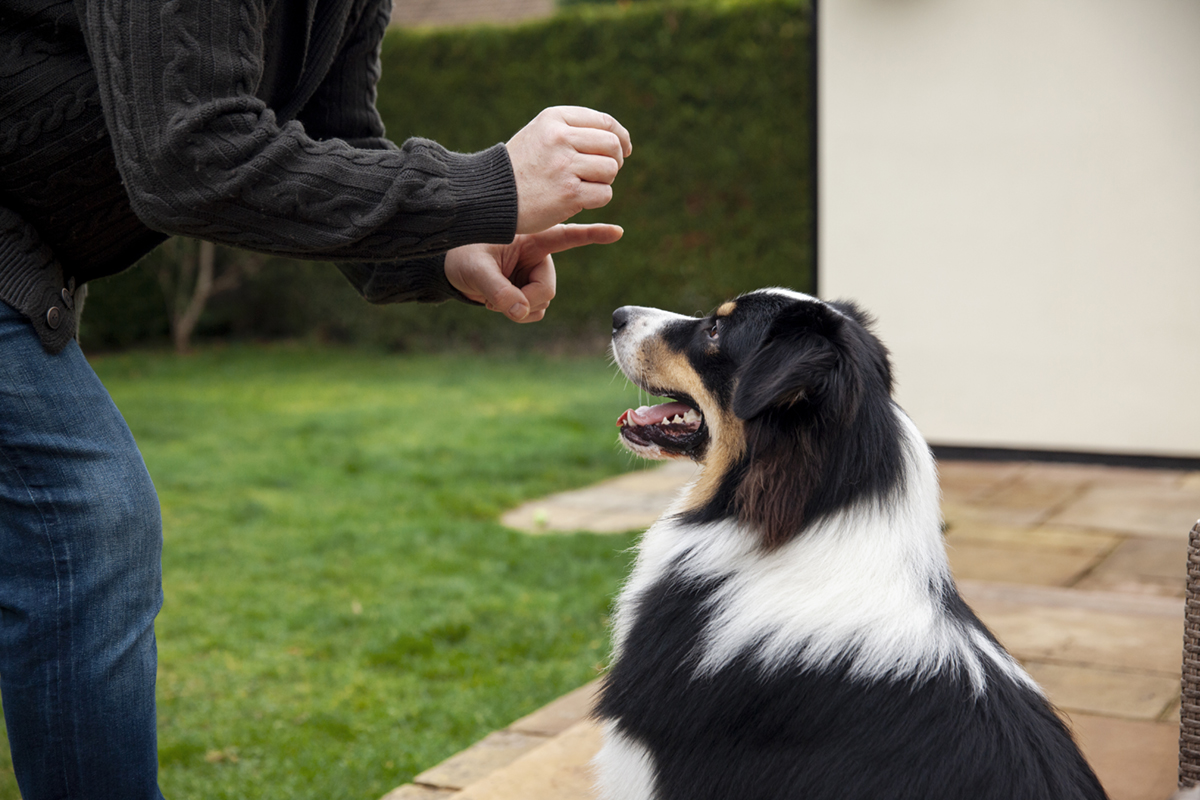
Like humans, pets can be shy around cameras. Take some time to let your pet look around and become familiar with the camera and its equipment. It is possible to start with a couple of snaps without aiming at them directly to make them comfortable during the photography. Playthings and treats could be useful to keep their attention elsewhere and keep them interested.
Composition Techniques
Making a stunning photo requires more than taking a picture and pointing. Techniques for composition can greatly improve how you present your pet’s photographs.
Rule of Thirds in Photography of Pets
The rule of thirds is breaking the image down into nine equal segments, with two horizontal lines equally spaced as well as two vertical lines equally spaced. The placement of your pet’s face along these lines, or in their intersections, adds more excitement and energy in the composition as opposed to centering them. This method helps to capture more natural and interesting photographs.
In the Process of Creating Dimensions and Depth
Creating depth can make your pet photos appear more professional. This can be achieved through the shallow depth of field, which means that your pet is in fine focus, and the background blurs. This creates a stunning effect for your pet as the obvious main focus of the photograph.
Making use of Props with Creativity
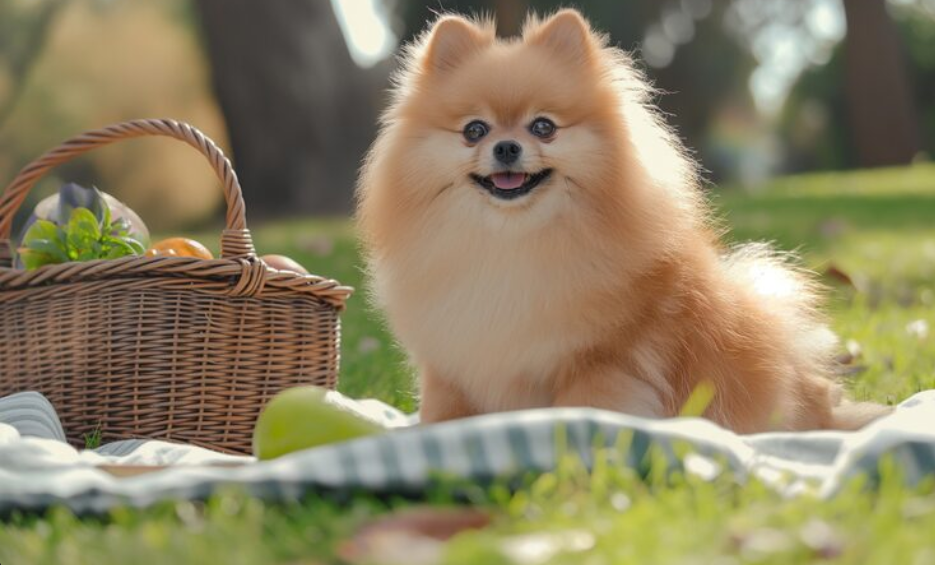
Props can add colors and personality to your pet’s photos. Consider items that fit your pet’s personality, like their favourite toy, a beautiful item of furniture, or an autumnal pile of leaves. Make sure to select props that don’t frighten or hurt your pet, and make sure they’re comfortable when you shoot your photo. Props that are creatively used can transform a basic photograph into a memorable and unique photo of your pet.
Capturing the Perfect Shot
Timing and Patience
The process of photographing animals is an exercise in patience and synchronicity. Pets like human models aren’t able to follow directions for taking photos. It is important to wait for the perfect moment, and this could require lots of sitting and watching. The early morning or the late afternoon, also called”the golden hours,” provide the ideal lighting conditions for photography. And remember, practice patience. There are times when you’ll be able to take hours to get just a handful of perfect shots, but those are the ones that are well worth the wait.
Interacting with your Pet
Engaging with your pet’s personality can result in lively and dynamic photographs. Utilize treats, toys, or whatever else your pet enjoys to get them moving or expressing. This is particularly helpful for getting their personality captured and resulting in more natural images. Also, it’s a good strategy to keep their attention on the subject, which makes it easier to capture the perfect photo. Remember, the main goal is to make your photo session enjoyable and stress-free for you and your loved ones.
Candid Contrasts with Photos that are Posed
Pose and candid photos are equally appealing in the realm of pet photography. Candid shots convey an individual pet’s character as well as their spontaneity. On the other hand, posed images can give an elegant and professional style, particularly when it comes to projects such as personalized gifts or images from stock. Combining both types of images can provide you with a variety of photos that showcase various aspects of the personality of your animal.
Editing and Post-Processing
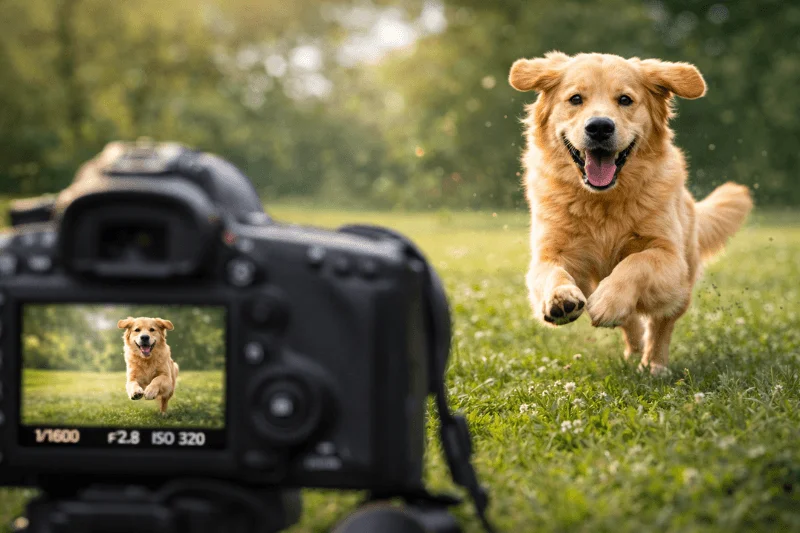
Making the Right Choice of Editing Tools
The choice of the right editing software is essential for the post-processing process. There are numerous options available, including free applications and premium programs such as Adobe Photoshop and Lightroom. Think about the adjustments you most require (cropping and color correction, etc.) Choose a software that is suited to your needs and level of proficiency. Tutorials can assist you in getting started when you’re new to software.
Enhancing the Contrast and Colors
Modifying the contrast and colors can make your pet’s photographs sparkle. A slight increase in saturation can make the colors make them stand out; however, be careful not to go overboard, as it could look a bit unnatural. Playing with contrast can also add depth to your photos, making them more engaging and professional-looking.
Eliminating Distractions
Busy backgrounds can distract you from the subject of your photograph, which is your pet. Make use of editing software that blurs the background, or eliminate unnecessary objects. This will keep the attention of your pet and make them the main focus of the picture. If you’re confident with more sophisticated methods Cloning tools will help you eliminate particular distractions easily.
Sharing and Showcasing Your Work
The Process of Creating a Portfolio for Pet Photography
A portfolio is vital for any pet owner who is serious about photography. Begin by choosing your top images that highlight a variety of pet breeds, poses, and settings. Make use of a professional website to showcase your work. This serves as your virtual business card. Keep your portfolio updated to reflect the latest and best photos, keeping your portfolio fresh and appealing to potential customers.
Tips for Social Media for Pet Photographers
Social media is an effective instrument for photographers who photograph pets. Platforms such as Instagram and Facebook are great for showcasing your work. Upload high-quality pictures, utilize relevant hashtags like PetPhotography and AnimalLovers, and interact with your followers by responding to messages and comments. Sharing behind-the scenes content can provide your followers with a peek into the workings of your company, which makes your work more likable and memorable.
Entering Pet Photography Contests
Participating in contests for pet photography is a fantastic method to earn recognition and establish your name. Search for contests online or in publications for pet owners. Before you enter, make sure to read the rules attentively and ensure your pictures are in line with the criteria. The winning or even the placement in these contests could provide exposure, bring in new customers, and occasionally, receive prizes that will help your photography efforts.
Conclusion
Capturing the best moments with your pet isn’t an overwhelming job. Utilizing the expert tips we’ve provided, from locating the ideal lighting and settings to learning how to be patient as well as employing treats effectively, you’re getting close to taking your own magazine-worthy photos of your pet. Remember that the real value of photography for pets lies in getting their distinctive personalities captured along with the fun they bring to our lives. So, get your camera and let the fun begin!