Pets are an important part of many families, and keeping them healthy is an essential responsibility for every pet owner. Regular veterinary care, a balanced diet, exercise, and proper hygiene all contribute to a pet’s well-being. Among these measures, animal vaccinations play an important role in helping protect pets from several serious and preventable diseases. Vaccinations prepare the immune system to recognize specific infections and respond to them more effectively.
Understanding the Importance of Animal Vaccinations
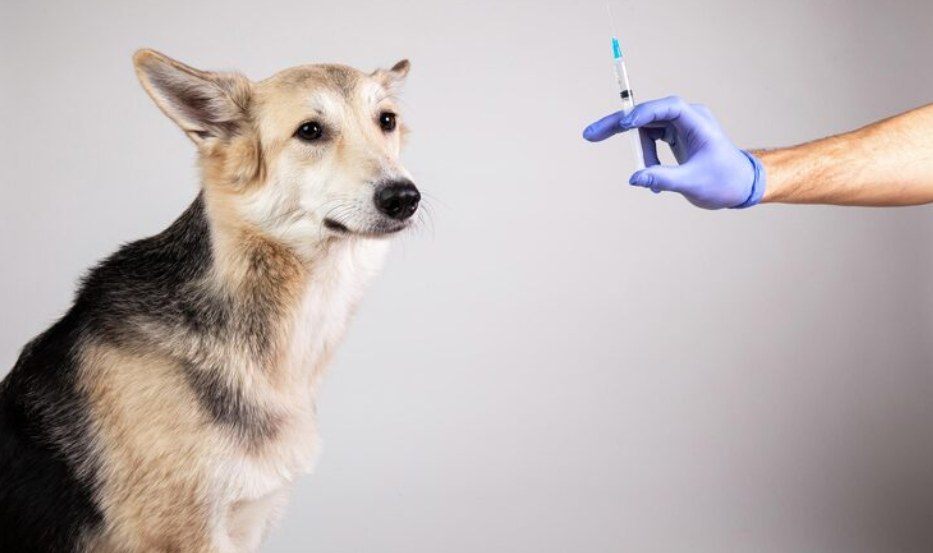
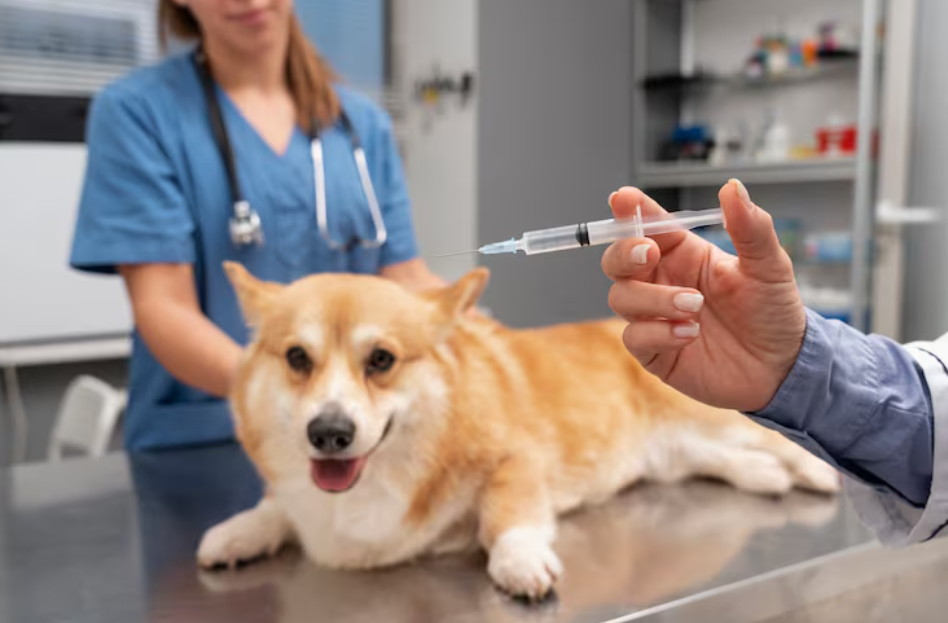
Animal vaccinations work by helping a pet’s immune system develop protection against particular diseases. Depending on the animal, age, lifestyle, and health needs, a veterinarian may recommend different vaccines. Puppies, kittens, and young animals often require a series of vaccinations because their immune systems are still developing.
Keeping vaccinations up to date can reduce the risk of diseases that may cause serious health problems. Animal vaccinations are also an important part of preventive veterinary care because they provide protection before a pet is exposed to certain infections.
Protecting Pets From Preventable Diseases
Some diseases can spread easily between animals and may lead to severe illness. Vaccination helps the immune system prepare for these potential threats. When a vaccinated pet encounters a disease it has been protected against, its immune system may respond more quickly.
The specific vaccines a pet needs depend on factors such as species, age, lifestyle, location, and possible exposure to other animals. For example, pets that regularly visit parks, boarding facilities, grooming centers, or other places where animals gather may have different vaccination needs. A veterinarian can create an appropriate schedule based on these factors.
Supporting Long-Term Pet Health
Preventive care can make it easier to maintain a pet’s health throughout its life. Animal vaccinations are generally given according to a recommended schedule, which may include initial doses and follow-up vaccinations. These appointments also give pet owners an opportunity to discuss other aspects of their pet’s health with a veterinarian.
Regular vaccination visits can help keep health records updated and ensure that important preventive measures are not overlooked. Following professional advice can provide pets with consistent protection as they grow and their needs change.
Helping Protect Other Animals
Vaccination does not only benefit individual pets. It can also contribute to the health of the wider animal community. When more animals are properly vaccinated, there may be fewer opportunities for certain infectious diseases to spread between pets.
This can be particularly useful in places where many animals interact. Responsible use of animal vaccinations supports healthier environments for pets and can help reduce the spread of preventable illnesses.
Choosing the Right Vaccination Schedule
Every pet is different, so vaccination schedules should be discussed with a qualified veterinarian. Factors such as age, species, previous vaccination history, lifestyle, travel, and general health may affect which vaccines are recommended and when they should be given.
Pet owners should keep vaccination records safely and follow the schedule provided by their veterinary professional. If a pet misses a scheduled vaccination, the veterinarian can explain the appropriate next steps.
Conclusion
Animal vaccinations are an important part of responsible pet care. They help prepare the immune system to respond to certain diseases, support long-term health, and contribute to the protection of other animals. By following a veterinarian-recommended vaccination schedule and maintaining regular veterinary care, pet owners can take a proactive approach to keeping their companions healthy and protected.