The laid-back and playful personality of Labradors is also accompanied by a few grooming issues due to their thick and waterproof coats. The question many pet owners ask is how frequently they should bathe their furry pets in order to keep them clean and healthy without depriving their coat of the much needed oils.
The key to keeping the Labrador in its natural beauty and with healthy skin is to strike the right balance. The frequency of bathing may depend on a number of factors, such as the activity level, condition of the coat, and specific skin requirements.
Knowing these factors will enable one to keep a Labrador fresh and comfortable with reduced chances of experiencing skin irritations. With this article, the reader will find professional advice on how often they should bathe their Labs, tips to effective bathing and how to make their Labs look and feel their best.
How often Should a Labrador be Showered?
The frequency of bathing Labradors is determined by certain factors. Most Labradors can have an average range of between four and six weeks (experts recommend). Nonetheless, others might need to be modified according to personal conditions.
Level of Activity
The greater level of activity results in increased levels of dirt. Labradors that swim regularly, play outdoors or have vigorous exercise need bathing every two to four weeks. Bathing regularly helps to eliminate dirt and odor and helps maintain overall hygiene.
Coat State
Labradors have a water-resistant, double coat which keeps dirt and water away. When the coat looks dark or greasy, a bath may be beneficial to the dog. On the other hand, excessive washing of the body may remove some much-needed oils, leaving the skin dry or causing a damaged coat.
Skin Requirements
Labradors that have certain skin-related problems or allergies need special bathing regimens. Veterinarians can prescribe medicinal shampoos and might recommend a weekly-bathing schedule or as needed. A veterinarian should be consulted to come up with an individualized bathing plan.
Seasonal Variations
Grooming needs may be affected by seasonal changes. When shedding, usually spring and fall, shedding requires more frequent brushing. Bathing is not so common but can help to regulate loose hair and allergens.
Bathing After Exercise
Taking a bath shortly after dirty play or swimming can aid in the elimination of dirt and bacteria that can irritate the skin. Wash with soft dog shampoo and hose down to keep the coat healthy. By considering these factors, Labrador owners can determine an appropriate bathing schedule that maintains a healthy coat while avoiding skin issues.
Factors Influencing the Frequency of Bathing
The rate at which a Labrador is to be bathed is influenced by several factors. Knowing these factors will assist owners to keep the coat and skin of their dog in good condition.
Type of Coat
The water-repelling double coat is the characteristic feature of Labradors, and it is a key factor in determining the rate of bathing. This coat does not necessitate frequent bathing as compared to breeds with only one coat. Excess bathing may result in a lack of natural oil, hence, dryness.
On the other hand, the dull or greasy coats are in need of baths at times to give them a better look and clean. In normal conditions, baths should be done every four to six weeks, although in case of excessive dirt or smell of the Labrador, bathing should be done more frequently.
Level of Activity
The level of activity of Labradors has a significant influence on the bathing requirements. Active Labradors, which regularly play outside or swim, tend to be dirty, muddy, and smelly. Under such circumstances, it is suitable to take more frequent baths, say every two or four weeks, to ensure that the body is kept hygienically clean.
In the case of less active dogs, the normal four to six-week program is enough. Observing the physical activity of the dog will be used to estimate whether the changes in the bathing routine are necessary to control the odor and maintain the overall cleanliness of the dog.
Health of the Skin
The health of the skin greatly influences the bathing time of a Labrador. Dogs which have sensitive or problematic skin may need special bathing routines, commonly prescribed by a veterinarian. The owners need to pay attention to the signs of irritation or allergies and change the frequency of bathing.
Also, those Labradors that are prone to skin diseases may be advised to use medicated shampoos. Frequent skin examinations are used to help verify that bathing routines are conducive to the optimal skin and coat condition, and helps to prevent the problems that may occur due to overbathing or improper cleaning.
Suggested Bathing Schedule
A healthy bathing routine of Labradors will keep the skin and coat healthy. The number of baths varies depending on the age and activity level and the condition of the coat.
Puppies
Compared to adult Labradors, puppies do not need baths as often. To avoid the skin irritation of the puppies, a general suggestion is to bathe puppies after every 2 to 3 months. It is important to find a balance because too much bathing may cause the loss of natural oils by the sensitive skin.
It is okay to take a bath after having played in mud or been exposed to smells. Gentle puppy-specific shampoos can ensure that their skin and keep them clean and comfortable.
Labradors in Their Adult years
The adult Labradors usually require baths at least once in four to six weeks to maintain the health and odor free coat of these animals. Some of the factors that affect this schedule are the level of activity and the condition of the coat.
Outdoor activities of active Labradors can result in the necessity to bathe the dog every two to four weeks in order to control the abundance of dirt and smell. Frequent evaluation of their coat and skin condition enables them to make changes, so that grooming routines can be adjusted to the dog’s needs.
How to Give Your Labrador a Bath
The bathing of a Labrador has to be done with a lot of care to ensure that the coat and skin of the Labrador are in good health. Consider these tips:
- Wash with mild Shampoo: Select a special shampoo used by dogs that contains no harsh chemicals. Opt for hypoallergenic formulas for sensitive skin.
- Brush Before: Before having the bath, brush the coat to get rid of loose fur and to prevent matting. This is another step that aids in the distribution of natural oils.
- Check Water Temperature: Adding a comfortable bath, use lukewarm water. Hot or cold water should be avoided as it is not comfortable to the dog.
- Wet Thoroughly: Before putting on the shampoo, make sure that the coat is completely wet. This aids the product in dispersing and cleaning up well.
- Rinse Well: Rinse the coat well to get rid of all the shampoo residue. Remaining soap has the potential to be irritating to the skin.
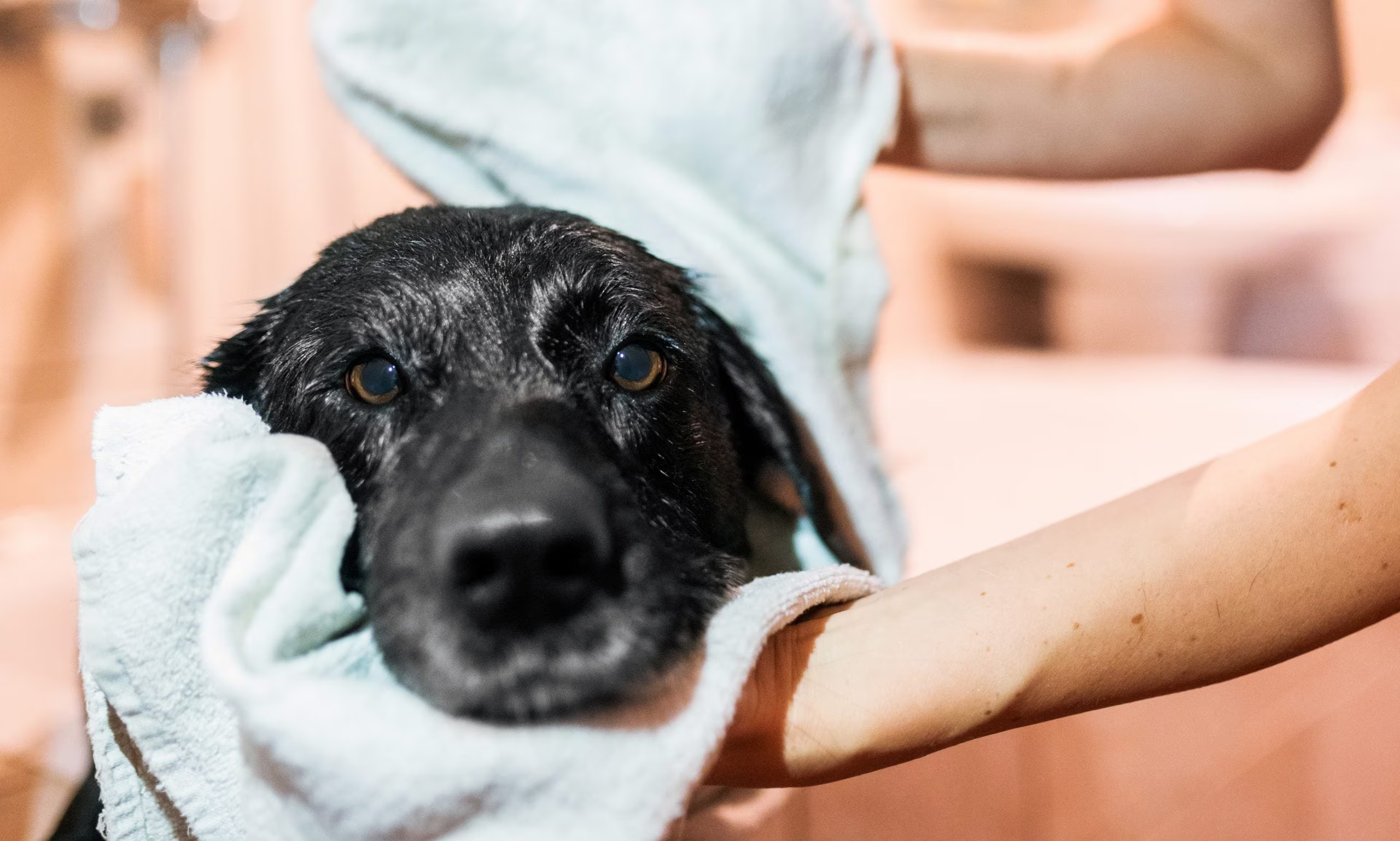
- Towel Dry: Dry the dog after bathing using a big towel. Do not use a hair dryer because the noise can be a stress on some dogs.
- Rewarding after Bathing: Please, reward or praise after bathing. This forms a positive association, and the subsequent bathing sessions will be easier.
- Keep Frequency: Continue with the recommended bathing schedule of every four to six weeks and adjust the schedule as per the activity levels and the condition of the coat.
- Monitor the Condition of the Skin: It is important to regularly examine the skin to determine whether it is experiencing any irritation or dryness. Refer to a veterinarian in case of any concerns about the skin condition.
- Prepare in Case of Dirty Play: In case the dog is a dirty play, bathe him immediately to avoid accumulation of dirt and keep the coat clean.
These will assist in keeping the coat and skin of Labradors in good health and also make the process of bathing the dogs enjoyable.
Several of the Most Common Mistakes
Avoid overbathing. Overbathing Labradors removes some of the vital oils resulting in dry skin. Four to six weeks are sufficient to bathe most dogs, unless the accumulation of dirt or odor requires a change in frequency. Avoid using human shampoo. The ingredients in human shampoos are not suitable for dogs and may cause irritation to the skin of the dogs.
Always use soft, dog specific shampoos that are used in the best interest of the Labrador and its skin and coat quality. Do not disregard the assessment of coats and skin. Consideration of condition of the coat and skin health is regularly evaluated to maintain proper grooming practices. You should check things like dryness, greasiness or irritation so that you may alter the frequency of bathing.
Always brush your teeth before you take a bath. When the coat is brushed before bathing, loose fur and tangles are removed, thus making the bathing process enjoyable. Clean coat also increases the efficacy of shampoo and reduces the mess caused during bathing. It is worth not disregarding post-bath drying techniques.
Drying the towel rather than a hair dryer would help avoid irritation and stress on the skin. Dry the coat after taking a bath and ensure that the coat remains clean and healthy. Avoid skipping seasonal adaptations. Shedding due to seasons increases the importance of grooming.
Regulate brushing and bathing rate during shedding to keep the coat in good condition and minimize the amount of loose hair in the house. Do not take a shower right after physical activity or play. By waiting until a dog has cooled before bathing, shock due to the sudden change in temperature is prevented.
A natural drying of the coat followed by a bath is used to estimate the current state of the coat. Do not have negative associations with bathing. The rewarding of Labradors after bathing instils a positive feeling towards grooming. To make the bathing experience more enjoyable, implements such as treats and praise should be used so that future baths will become easier both to the dog and the owner.
Conclusion
The correct bathing schedule of a Labrador would be critical in keeping their coat and skin healthy. Taking into account such factors as the level of activity, and personal skin requirements, owners can take care of their dogs and make them look neat and comfortable.
Their coats should be checked regularly to identify whether they need some adjustments. Laboratories may live healthy and happy lives with proper grooming habits and consideration of their special needs. The development of a good bathing schedule will enhance the relationship between the owner and the dog as well as the overall wellbeing.