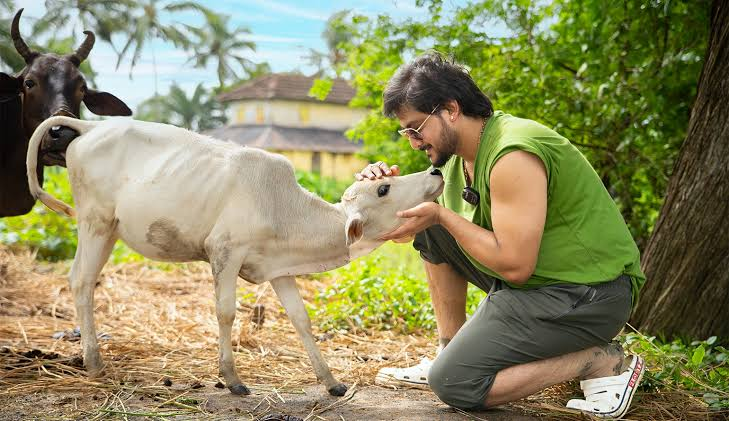
Animals are significant to our world. They help ecosystems, farm operations, and offer companionship and many other benefits to us. Many animals around the world are neglected, abused, and exploited, and their habitats have been destroyed despite their significance. Animal rights and protection awareness are key aspects of developing a more compassionate and sustainable society.
The purpose of this guide is to explain what animal rights are, why animals deserve to be protected, the nature of the problems that exist for animals, and what people and communities can do to make a difference.
Understanding Animal Rights
Animal rights is a philosophy that animals have a right to life free from unnecessary suffering, exploitation, and harm. Animal rights activists claim animals have emotions and can feel pain and fear. As such, they must be respected and treated with dignity.
The idea of animal rights is not confined to the notion of preventing animals from being hurt. It encourages the concept that animals are valued and should not be used or regarded as property. This view allows society to ponder the ethics of animal utilization in commercial enterprises like agriculture, entertainment, scientific studies, and clothing.
What Is Animal Protection?
Animal protection is about protecting animals from suffering because of abuse, neglect, and harmful conditions. Animal rights focuses on the moral status of an animal, while animal protection is about practical steps for animal welfare and safety.
Some of the ways of protecting animals are:
- Enforcing anti-cruelty laws
- Saving victims of animal abuse and neglect
- Providing veterinary care
- Conserving wildlife habitats
- Promoting responsible pet ownership
Promoting ethical treatment norms in animal-related industries
Animal rights and animal protection go hand in hand in the aim of providing a safer and more humane environment for all animals.
Why Animal Rights and Protection Matter
Preventing Animal Suffering
The main reason to promote the rights of animals is to minimize the amount of unnecessary suffering. Animals suffer in the same way that humans do. By safeguarding them from acts of cruelty and neglect, their lives could be enriched, and compassion shown in society.
Preserving Biodiversity
Wild animals are very important to ecosystems. But as species become endangered or extinct because of human activities, an ecosystem can become unbalanced. Conservation of wildlife is important for the maintenance of biodiversity and environmental stability.
Encouraging Ethical Responsibility
Societal values are often reflected in how people treat animals. Making children more kind and respectful to animals helps them learn to be empathetic, responsible, and make ethical decisions in their lives.
Supporting Environmental Sustainability
There are numerous animal protection initiatives that are also closely related to environmental conservation activities. Saving natural habitats is not only for the benefit of wildlife, but also for the benefit of humans to preserve clean air, water, and natural resources.

Common Threats Facing Animals
Animal Cruelty and Abuse
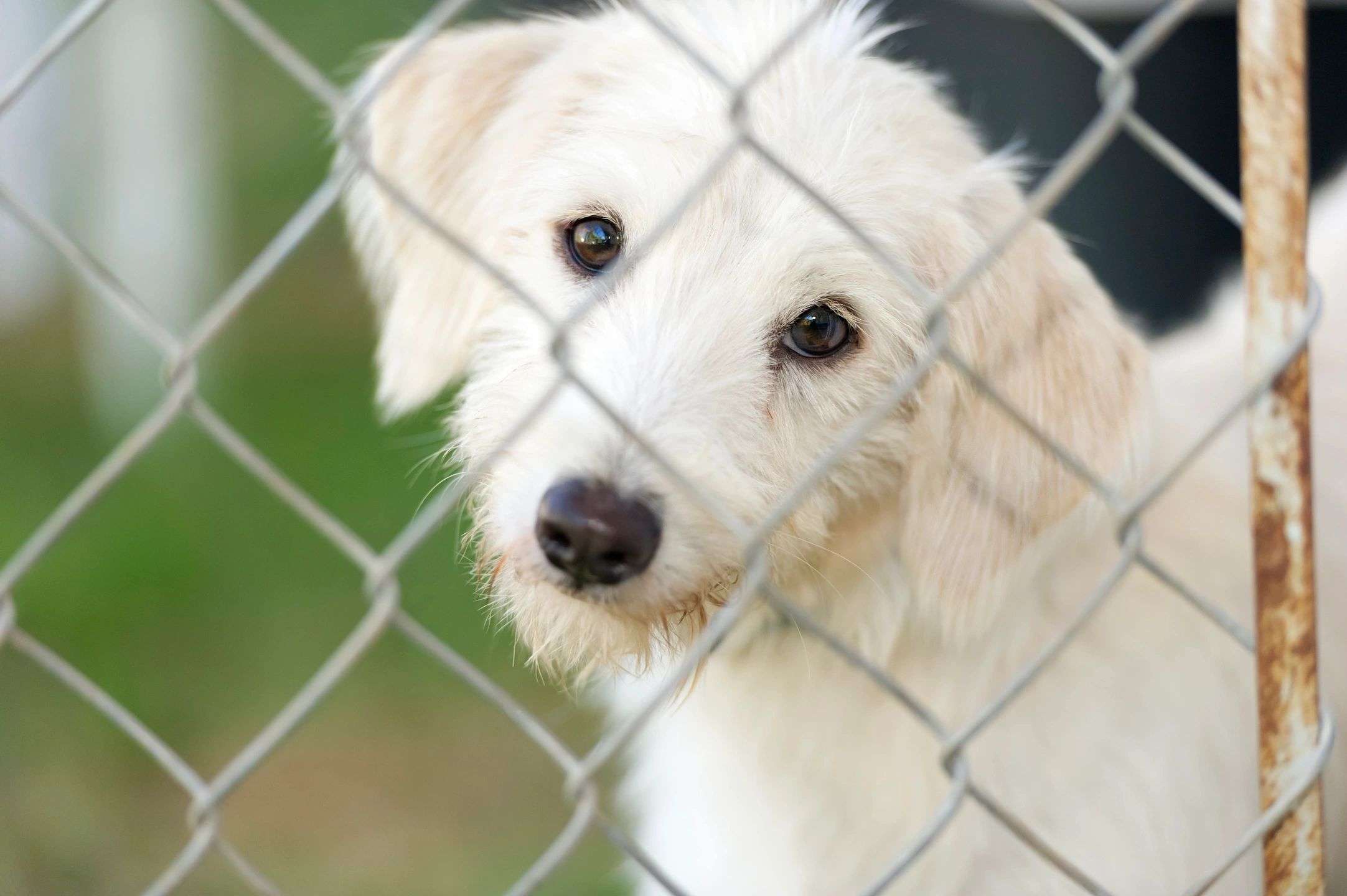
The problem of animal cruelty is a very big issue in the world. Abuse can occur in many ways and may involve physical violence, neglect and abandonment, and inadequate living conditions. Domestic animals, animals on a farm, and wild animals may be victims of cruelty.
Habitat Loss
Natural habitats are still being lost due to urban development, deforestation, mining and agriculture. Animals lose their homes, and are unable to obtain nourishment, a resting place and a place of safety for their young.
Illegal Wildlife Trade
Many species are under great threat from the illegal wildlife trade. There are many instances where animals are captured, transported, and sold under extremely cruel conditions for use as exotic pets, traditional medicines, and luxury products.
Pollution
These are the impacts of plastic wastes, chemical contamination and water pollution on wildlife that can be devastating. Animals are hurt, poisoned or caught in human waste.
Climate Change
Climate change impacts all ecosystems around the world. Climate change, with its increase in temperature, modification of weather, and extreme climate changes, is affecting habitats and threatening the survival of many species.
The Role of Animal Welfare Laws
Legislation has been enacted in various countries to safeguard animals from mistreatment and exploitation. These regulations frequently include guidelines for animal treatment, housing, transport, and care.
Animal Welfare legislation can apply to:
- Prevention of cruelty and neglect
- Wildlife protection measures
- Installation of animal shelter regulations
- Standards for farming practices
- Limiting illegal hunting and trafficking.
Laws differ from country to country and region to region, but robust legal safeguards are critical to promote accountability and enhance animal welfare.
How Individuals Can Help Protect Animals
Adopt Instead of Shop
There are countless animals in need of a home that animal shelters and rescue organizations rescue. Donating a pet instead of buying from unethical breeders can help put a stop to the pet overpopulation issue and help with animal welfare initiatives.
Report Animal Abuse
Report any animal abuse or neglect to the local police or animal welfare agencies to protect those who can’t defend themselves and stop any more suffering.
Support Animal Welfare Organizations
Numerous non-profit groups strive to save animals, rehabilitate wildlife, and call for better protection. These meaningful contributions can be made through donations, volunteering, and involvement in the community.
Adopt a responsible pet owner.
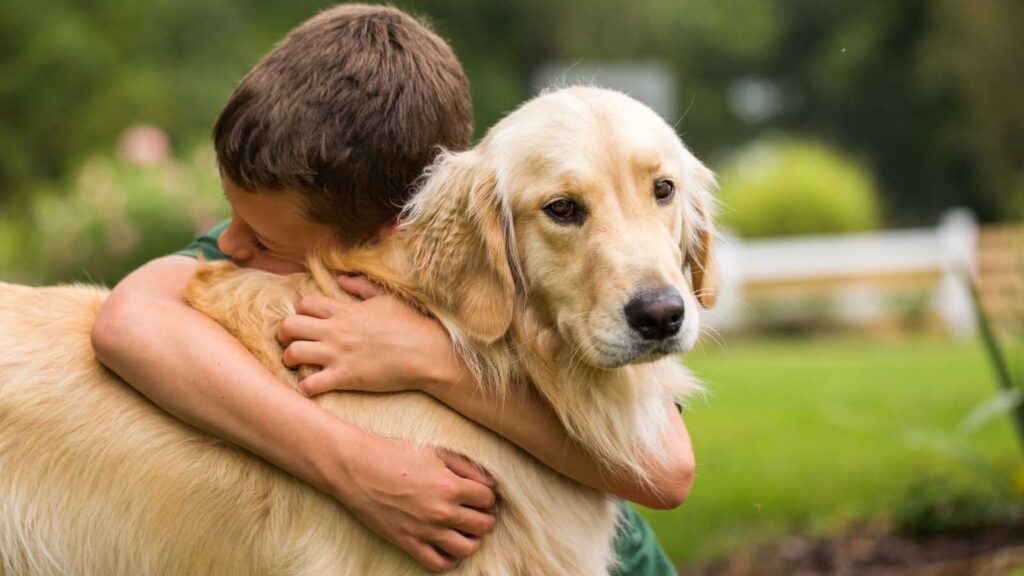
Owners are responsible for feeding, housing, caring for their animals ‘ medical needs, and caring for their animals. Healthy and fulfilling lives for pets with responsible ownership.
Reduce Environmental Impact
Recycling, minimizing plastics, conserving water, and promoting sustainable practices are just a few simple actions that help protect wildlife and their habitat.
Educate Others
Creating awareness on Animal Rights and Animal Protection can motivate positive changes. These are all steps that can help make a difference through information sharing, community programs, and encouraging compassionate behavior.
The Importance of Wildlife Conservation
Conservation of wildlife is an important aspect of animal protection. Conservation programmes are designed to help preserve endangered species, restore habitats, and ensure ecological balance.
Conservation can be successful when:
- Protected wildlife reserves
- Habitat restoration projects
- Anti-poaching initiatives
- Advances in scientific research and monitoring
- Public education campaigns
Through participation in conservation programs, communities can help to preserve a world with biodiversity.
Building a More Compassionate Future
Worldviews that respect animals need cooperation between governments, organizations, businesses, and individuals. Improvements rely on more robust legislation, education, responsible consumer decisions, and the responsible treatment.
Even the smallest of actions can make a difference to the lives of animals. People can make a difference, whether they are rescuing a rescued pet, helping the wildlife, or standing up against cruelty.
Conclusion
Compassion, biodiversity, and a healthier planet can only be achieved by promoting animal rights and protection. Animals should be treated with kindness, in a secure environment, and free from unnecessary suffering. Through the lenses of animal challenges and action for animal welfare, we can contribute to creating a more ethical and sustainable future for all animals.
The protection of animals is not only about individual species, but it is also about building a society that is kind, responsible, and shows respect for all living things.