Good dental health is an important part of your dog’s overall well-being. Just like people, dogs can develop plaque, tartar, bad breath, and gum problems when their teeth are not cleaned regularly. Many pet owners focus on food, exercise, and vaccinations but may forget about oral hygiene. With regular dental care for dogs at home, you can help protect your pet’s teeth and support a healthier, happier life. Simple daily habits can make a major difference in preventing common dental problems.
Why Dental Health Matters for Dogs
A dog’s mouth can collect food particles and bacteria after eating. Over time, these can form plaque on the teeth. If plaque is not removed, it may harden into tartar. This can lead to gum irritation, bad breath, and more serious dental disease. In some cases, untreated oral problems may affect a dog’s comfort and overall health.
Regular dental care for dogs at home helps reduce the buildup of harmful bacteria and keeps your pet’s mouth cleaner. It also allows you to notice possible problems early, such as swollen gums, broken teeth, or unusual sensitivity.
Brushing Your Dog’s Teeth Regularly
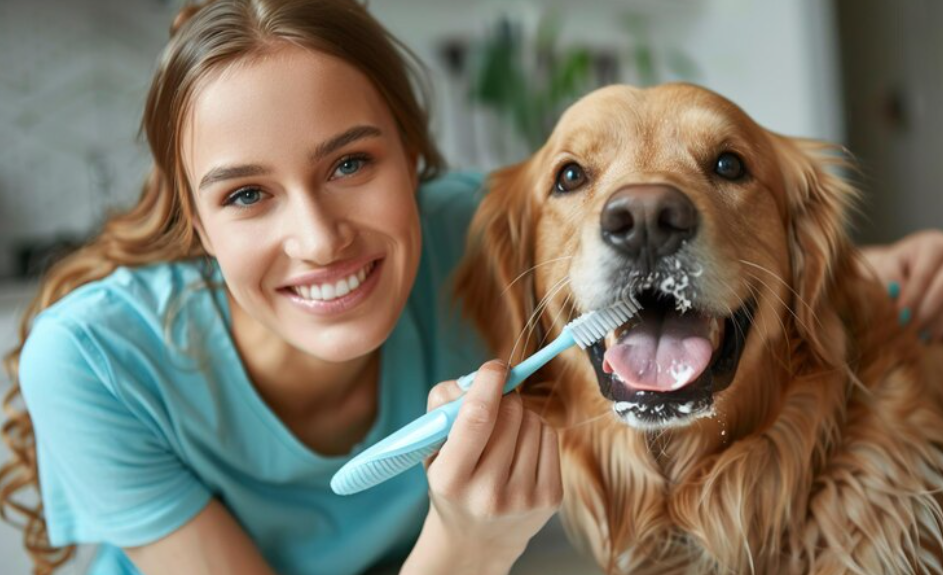
Tooth brushing is one of the most effective ways to maintain your dog’s oral hygiene. Use a toothbrush designed for dogs and toothpaste made specifically for pets. Human toothpaste should not be used because some ingredients can be harmful to dogs.
Start slowly if your pet is not used to brushing. Allow your dog to smell and taste the toothpaste before gently touching the teeth and gums. With patience, brushing can become a comfortable part of your pet’s routine. Even brushing several times a week can help remove plaque and support cleaner teeth.
Choosing Safe Dental Products
Dental chews, toys, and other oral care products can also support your dog’s dental health. Some products are designed to help reduce plaque as your dog chews. However, it is important to choose items that are safe, durable, and suitable for your dog’s size and chewing habits.
As part of dental care for dogs at home, always supervise your pet when introducing a new chew or toy. Avoid extremely hard objects that may damage or break the teeth. Your veterinarian can also recommend suitable dental products based on your dog’s specific needs.
Watching for Signs of Dental Problems
Regularly checking your dog’s mouth can help you identify changes early. Bad breath, red or bleeding gums, loose teeth, difficulty chewing, excessive drooling, and a reduced interest in food may indicate a dental problem. Some dogs may also rub their face or avoid having their mouth touched.
Although home care is important, it does not replace professional veterinary examinations. A veterinarian can check areas that are difficult to clean at home and recommend professional treatment when necessary.
Conclusion
Good oral hygiene plays an important role in your dog’s comfort and long-term health. By brushing regularly, using safe dental products, checking the mouth, and arranging professional veterinary care when needed, you can help keep your pet’s teeth cleaner and healthier. Consistent dental care for dogs at home is a simple but valuable part of responsible pet ownership and can help your dog enjoy a healthier smile for years to come.